
Most salaried people I built this site for do not have a free ₹1.5 lakh of Section 80C. They have EPF. They still Google “best 80C” and start a ₹12,500 ELSS SIP as if the cap were empty. This page is the arithmetic before the ELSS calculator or the PPF calculator: leftover after EPF, not a second copy of the statute.


The leftover, not the headline
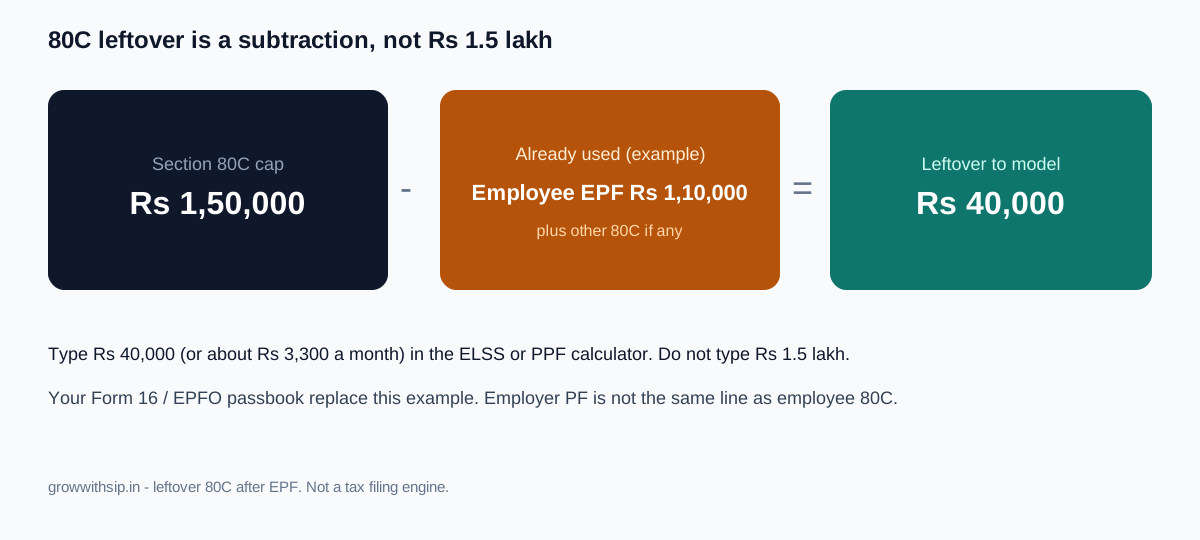
Write two numbers from this year’s Form 16 / payslip: employee PF, then every other 80C item already committed (life premium, ELSS already running, tuition, principal of a home loan if you claim it, PPF already depositing). Subtract from ₹1,50,000. If the remainder is ₹40,000, that is the only 80C room an extra PPF or ELSS can fill.
A typical Bengaluru example: basic + DA around ₹75,000 a month, employee PF at 12% is about ₹1.08 lakh for the year before any other 80C. Leftover is then in the ₹40,000 band, not ₹1.5 lakh. Your numbers replace this sketch. Modelling ₹1.5 lakh in the calculator when ₹1.1 lakh is already EPF inflates both the tax-saved line and the lock-in you think you bought.

Tax saved is leftover × slab
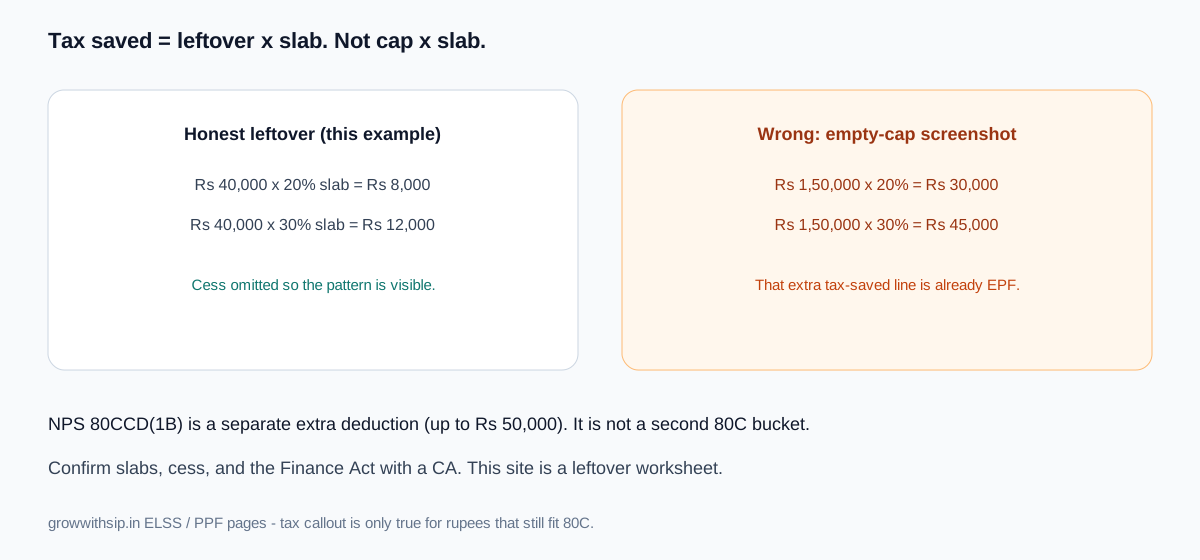
Cess is omitted in the table so the pattern is visible. The saving is leftover × slab, not ₹1.5 lakh × slab, unless leftover really is ₹1.5 lakh. A 5% slab saver stretching cash for PPF they cannot fund for 15 years is buying a scheme, not a refund.
| If leftover 80C is | Rough tax saved at 20% slab | Rough tax saved at 30% slab |
|---|---|---|
| ₹40,000 | ₹8,000 | ₹12,000 |
| ₹70,000 | ₹14,000 | ₹21,000 |
| ₹1,50,000 (no EPF in the cap) | ₹30,000 | ₹45,000 |

Then pick the product for the leftover only
Lock-in and risk still matter. PPF leftover is a 15-year account. ELSS leftover is three years per SIP instalment, staggered. That staggered clock is in ELSS vs PPF. Do not use leftover ELSS as next year’s school fees. Do not skip an emergency FD because “80C ELSS is savings.”
If leftover is zero, stop stuffing 80C. NPS 80CCD(1B) is the extra line some people still have. It has its own lock-in and annuity rules. It is not a second 80C.
What the calculators will not do
They will not import EPFO. They will not know your employer’s PF rate. They will not know you already run a ₹5,000 ELSS SIP since April. Type leftover as the annual or monthly amount you can still claim, then ignore the tax-saved callout if you already used the cap. The growth illustration can still be useful as an equity or PPF path. The 80C sentence on the page is only true for the rupees that actually fit.
Confirm deductions with the Income Tax Department or a tax professional before you file. Rules and rates can change. Check the latest notification or official guidance before making a financial decision. I am a software engineer in Bengaluru, not your CA.