What this RD calculator helps you answer
A recurring deposit is a habit product: you put aside a fixed amount every month and the bank (or post office) pays a declared interest rate on those installments until maturity. The hard part is that the maturity value is not “monthly deposit × months × rate.” Each installment starts earning from a different date, and interest is usually compounded quarterly even though you deposit monthly. This page does that arithmetic for you so you can see total invested, interest earned, and maturity before you open the account.
Use the sliders for a quick estimate, then skim the sections below if you want to understand tax, missed installments, or how an RD compares with an FD or SIP.
How to use the calculator
- Enter the monthly amount you can auto-debit without strain.
- Enter the annual RD interest rate from your bank or India Post rate card. Senior citizens should use the senior rate if they qualify.
- Choose tenure in years (common retail tenures run from about one to ten years).
- Read maturity value and interest. The chart and yearly table show how deposits and interest build over time. Share or bookmark the URL your inputs stay in the link.
How recurring deposit maturity is calculated
Think of an RD as a stack of small deposits. The first month’s installment stays invested for the full tenure; the last month’s installment barely earns any interest. Banks typically apply quarterly compounding to that stack. So the right mental model is: grow each monthly deposit for the quarters it remains in the account, then add everything up at maturity.
That is why two RDs with the same headline rate can still feel different if tenure changes, more months means more early installments that compound for longer. The “average monthly interest” insight above is simply total interest divided by the number of months in the tenure; it is a convenient way to compare plans, not a cash credit your bank pays every month.
RD interest rates - what number to type in
Unlike a locked formula product with one forever rate, RD rates are published on bank and post office cards and change with tenure, customer type, and the interest-rate cycle. This calculator does not guess the card for you. You paste the rate you were quoted; we compute maturity. That keeps the tool honest when cards update.
| Provider (indicative) | Typical RD rate band | Notes |
|---|---|---|
| SBI / PSU banks | ~6.5 - 7.0% | Varies by tenure |
| HDFC / ICICI / Axis | ~6.5 - 7.25% | Check latest card |
| Post Office RD | Govt-notified | Enter the notified rate above |
| Small finance banks | Often higher | Check deposit insurance cover |
* Bands are illustrative. Always confirm the live rate and premature-closure rules before you open an RD.
Worked examples you can open instantly
These presets load the calculator with common salaried scenarios so you can compare maturity without retyping:
- ₹5,000 a month for 5 years at 7% - a starter auto-debit plan; total invested ₹3 lakh.
- ₹10,000 a month for 5 years at 7% - ₹6 lakh invested; maturity typically lands in a mid ₹7 lakh range depending on exact bank conventions.
- ₹2,000 a month for 3 years at 6.8% - useful for a near-term travel or gadget fund.
Tax on RD interest
Interest credited on an RD is taxable as income at your slab rate, similar to a bank FD. TDS may be deducted when interest in a year crosses the applicable threshold. Because tax is paid on interest (not on the principal you deposited), two people with the same RD can keep different amounts after tax. When you compare an RD with a tax-free option like PPF, always look at post-tax outcomes for your slab not only the brochure rate.
Missed installments, loans, and early closure
Life happens. Most banks allow a grace period and then charge a small penalty on late RD installments; repeated skips can force closure. If you close early, interest is usually recalculated at a lower applicable rate for the period the RD actually ran. Some banks also let you take a loan or overdraft against the RD balance handy if you need liquidity but do not want to break the deposit. Rules differ by bank, so treat this as a planning reminder and read the account terms before you rely on them.
Can an RD “step up” like a step-up SIP?
Many people search for an RD with annual step-up because salaries rise over time. Retail bank RDs are usually fixed installment products; they do not auto-increase the way a mutual fund step-up SIP does. In practice you approximate a step-up by opening a new RD (or raising the standing instruction when the bank allows a change) as your income grows. If your goal is rising monthly investing with market-linked growth, model a step-up SIP instead and keep the RD for the safe sleeve of the plan.
RD vs FD vs SIP - picking the right sleeve
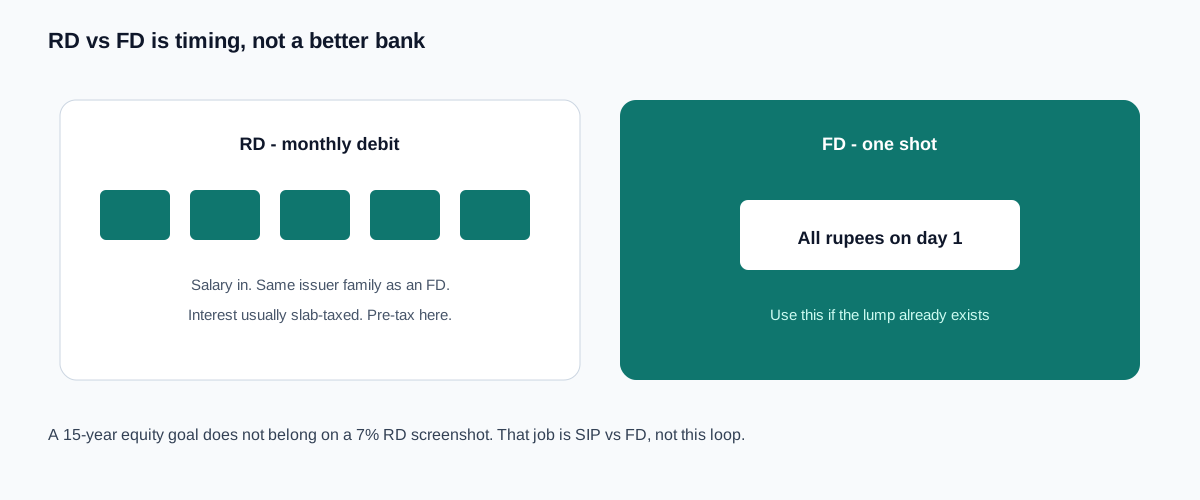
An RD fits monthly savers who want capital protection for a goal one to five years away. An FD fits a lumpsum you already have and can lock. An equity SIP fits longer horizons where you can live with market swings for a better shot at beating inflation after tax.
| Feature | RD | FD | SIP (equity) |
|---|---|---|---|
| Funding style | Monthly | Lumpsum | Monthly |
| Return type | Fixed rate | Fixed rate | Market-linked |
| Principal risk | Very low | Very low | Present |
| Typical use | Near-term goals | Parking surplus | Long-term wealth |
Plenty of households use all three: RD or FD for money with a date attached, and SIPs for retirement or children’s education a decade out. Explore SIP vs FD, the FD compound interest calculator, and the SIP calculator if you want numbers side by side.
Post Office RD
India Post recurring deposits follow government-notified rates and the familiar monthly deposit structure. The calculation approach is the same as a bank RD for planning purposes: enter the notified annual rate and tenure above. Differences show up in account opening rules, nomination, and premature closure not in the basic idea of monthly saving with compounding.
Common mistakes
- Picking a monthly deposit you cannot sustain, then skipping installments.
- Comparing RD and SIP on rate alone without matching goal horizon and risk.
- Forgetting that RD interest is taxable at your slab.
- Opening a long RD for money you may need in twelve months.
Methodology note
Estimates assume monthly deposits with quarterly compounding, which matches how most Indian bank and post office RDs are described to retail customers. Exact day-count rules, crediting dates, and TDS timing can make the passbook differ slightly from this screen. Use the result to plan; confirm the final maturity with your bank or post office before you rely on a specific rupee target.