
After leftover 80C is zero, well-meaning colleagues still say “put ₹50,000 in NPS for extra tax benefit.” Sometimes that is correct. Sometimes it is a lock-in you will hate at 48. The NPS calculator can show a corpus and a pension illustration. It cannot tell you whether 80CCD(1B) is worth the rules.


The extra bucket is ₹50,000, not a second 80C
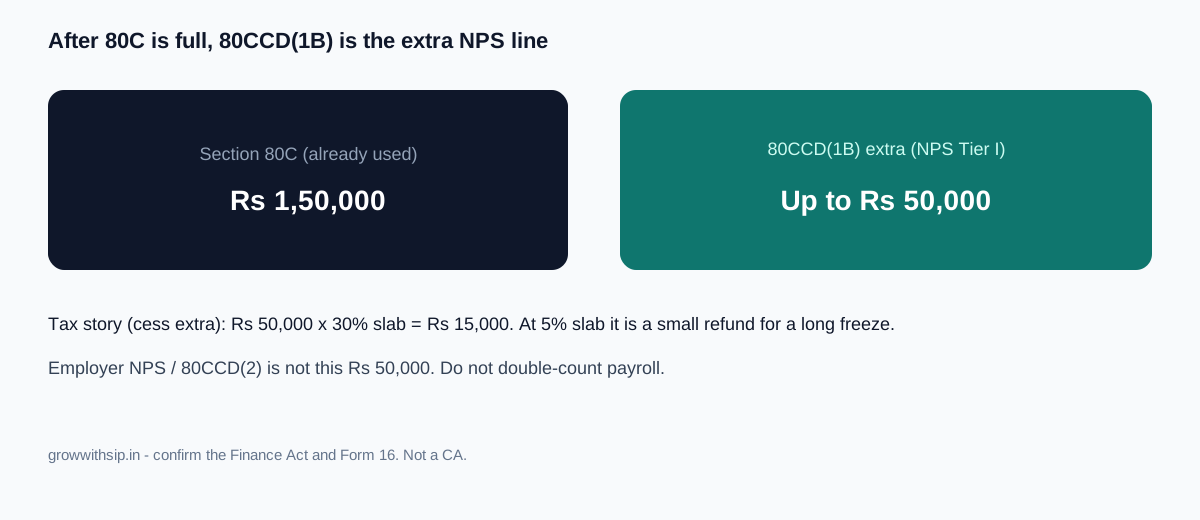
Employee NPS toward 80CCD(1) usually shares the 80C-style cap. 80CCD(1B) is the extra self-contribution, up to ₹50,000, after that cap is full. Confirm the Finance Act when you file. Tax story before cess: leftover NPS × slab. ₹50,000 × 30% = ₹15,000 (about ₹15,600 with 4% cess, which is the stub the NPS page quotes). At 5% slab it is a small refund for a long freeze.

What I model versus what PFRDA decides
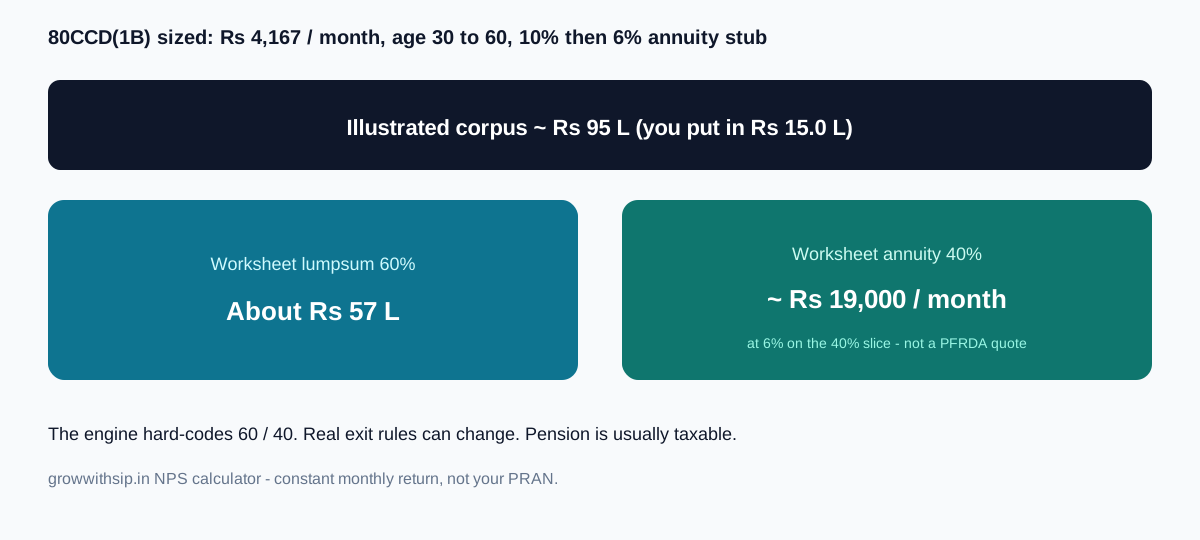
The tool compounds monthly contributions at one assumed return, you type the same class of illustration as SIP at 12%. It is not your PRAN allocation. At exit it does hard-code 60% lumpsum and 40% annuity on that corpus, then monthly pension = (40% × corpus × annuity rate) / 12. Real NPS exit mixes a lump-sum cap and an annuity purchase under rules that change. Read current PFRDA and NPS Trust / CRA documents when you are close to 60. Treat the pension line as a sketch. Pension receipts are usually taxable at slab.
Worked: only the 80CCD(1B) rupees
₹50,000 a year is about ₹4,167 a month. Age 30 to 60, 10% assumed return, 6% annuity stub same loops as the calculator:
| Line | Illustration |
|---|---|
| You contribute | about ₹15.0 lakh over 30 years |
| Corpus at 60 (constant 10%) | about ₹95 lakh |
| 60% lumpsum stub | about ₹57 lakh |
| Monthly pension stub at 6% on the 40% | about ₹19,000 |
The page default of ₹5,000 a month is ₹60,000 a year, already more than 80CCD(1B). Type leftover 80C + 80CCD(1B) only if those rupees actually fit the law. The insights “extra 80CCD(1B) saving” still assumes the 30% slab on ₹50,000 even if you typed a different monthly amount.

The deduction is real; the liquidity is not
Partial withdrawals exist with conditions. Treating NPS like a liquid SIP because “it is also retirement” is how people get stuck. If your 15-year goal is a house, NPS is the wrong bucket. Use the goal planner for the house and NPS only for money you can imagine not touching until the scheme allows.
Employer NPS is a different line
Corporate NPS / 80CCD(2) is not this ₹50,000. Do not double-count employer contribution as 80CCD(1B). Form 16 is the source. The calculator does not import payroll.
After you decide the deduction is worth the lock, type a conservative return and compare the corpus to what the retirement calculator says you need. NPS is one sleeve. EPF, PPF, SIPs, and a house are others. Adding the NPS maturity to a SIP screenshot without inflation is the same lie as everywhere else on this site deflate it.
This site is not an NPS Point of Presence. Account opening, KYC, and scheme choice happen on official NPS channels (see NPSCRA). Rules and rates can change. Check the latest notification or official guidance before making a financial decision.