
Sequence of returns is the unglamorous reason retirement calculators feel optimistic. Two investors can earn the same average 10% over 25 years. The one who takes withdrawals while the market is down in years 1–7 sells more units at bad prices and may never recover. The one who is still accumulating in those years buys cheap units. The SWP calculator on this site does not simulate that. It compounds a constant monthly rate, then subtracts cash. This page is the warning label I wish sat in neon above the result card.


What the loop actually does
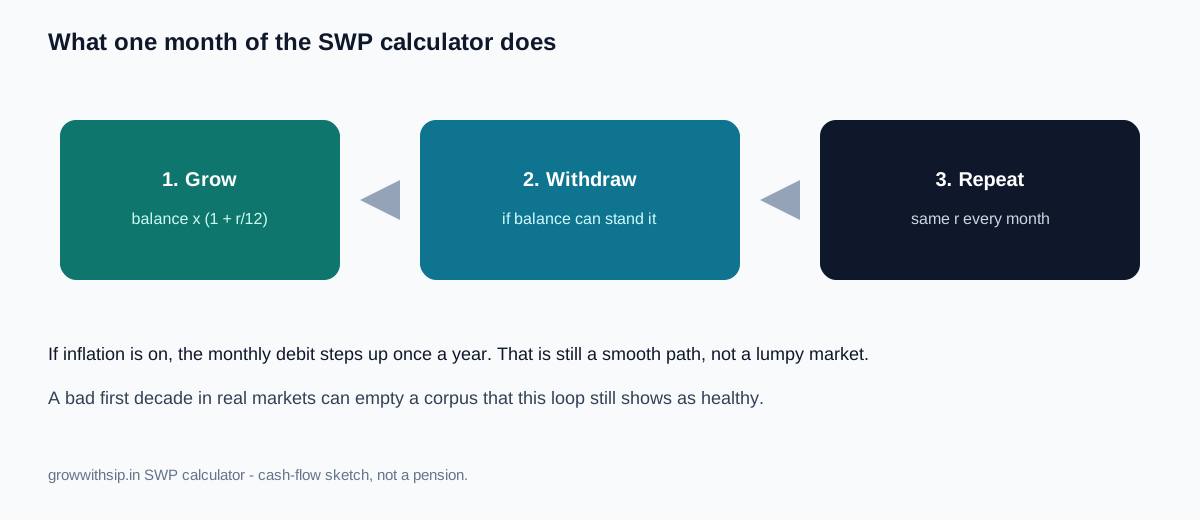
Each month: grow the balance at r/12, then pay the withdrawal if the balance can stand it. If you turn on inflation, the monthly debit steps up once a year after the twelve months. If the balance hits zero, the table stops. That zero is “this constant-return world ran out.” A lumpy world can hit zero while this one still shows ₹40 lakh in year 18.

How to stress it without Monte Carlo
I am not going to ship a fake 10,000-path simulator and call it science. Size the corpus with the retirement calculator. Then on SWP, run the withdrawal you want at 8% assumed return, then at 5%. Raise inflation on the withdrawal. If 5% plus inflation-indexed debit dies early, the 12% screenshot was theatre. Keep 2–5 years of expenses in FDs - SWP vs FD is the product mix, so you can pause or cut the SWP in a crash instead of feeding it.
A 6% withdrawal of a peak corpus is often too hungry. A 3–4% starting debit with inflation step-up is the range people argue about in textbooks. Your health, other pensions, and whether the house is paid off matter more than a blog percentage. I will not pick one for you.
Worked example: the default-sized corpus
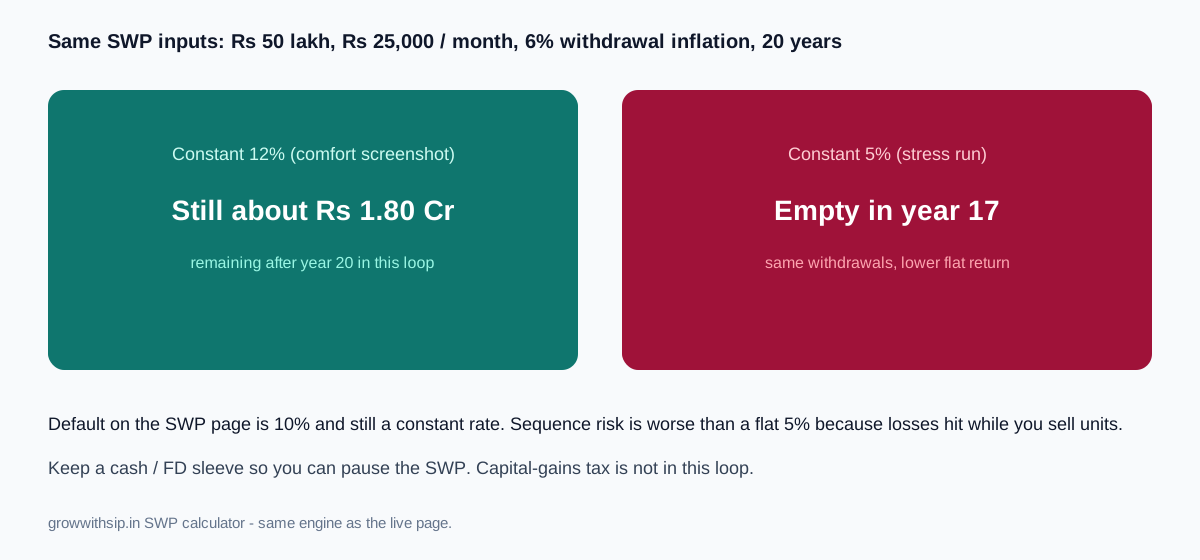
The SWP page defaults to ₹50 lakh corpus, ₹25,000 a month, 20 years, 6% withdrawal inflation. That starting debit is 6% of corpus a year before inflation steps it. Same engine as the calculator:
| Constant return | After 20 years in this loop |
|---|---|
| 12% | about ₹1.80 crore still remaining |
| 10% (page default) | about ₹76.9 lakh remaining |
| 8% | about ₹13.6 lakh remaining |
| 5% | corpus hits zero in year 17 |
Turn inflation off and even 5% still shows some leftover at year 20, because the debit never grows. That flat-rupee chart is the lifestyle cut the FAQ warns about. Sequence risk is not in any of these rows: a real crash in years 1–5 can look closer to the 5% column even if the long-run average was 10%.

Tax is another sequence
The calculator does not apply capital-gains tax to each SWP debit. Equity taxation hits the gain portion when you redeem, under the law then in force. A high withdrawal in a year you also have slab-rate income is a filing problem, not a slider. Confirm with a tax professional. The tool is a cash-flow sketch.
If the remaining-value column looks “fine” at year 20 at 12%, believe the maths of the loop, not the market. Then run the ugly sliders before you cancel an FD ladder.